Section 33 of the SFRS for Small Entities explains what eligible entities disclose about related parties. The notes help readers understand how these relationships, transactions and balances may affect the financial statements.
《新加坡小实体财务报告准则》第 33 节规定符合条件的实体如何披露关联方信息,帮助报表使用者了解关联关系、交易及余额可能对财务报表产生的影响。
Who is a related party? / 谁是关联方?
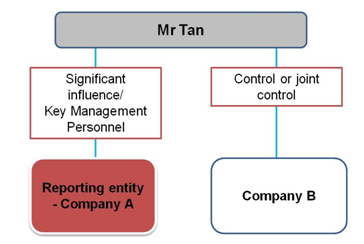
Examples include a controlling shareholder, key management personnel, certain close family members and entities under common control. Check the definition in Section 33 for each relationship. A transaction may require disclosure even when no price is charged.
常见例子包括控股股东、关键管理人员、某些近亲属以及受共同控制的实体。应按第 33 节的定义逐项判断。即使没有收取费用,相关交易也可能需要披露。
What to disclose / 披露内容
Disclose parent–subsidiary relationships even if there were no transactions. Identify the parent and, if different, the ultimate controlling party. Where neither publishes financial statements available to the public, identify the next most senior parent that does, if any. Disclose key management personnel compensation in total.
即使没有交易,也须披露母子公司关系,并列明母公司及(如两者不同)最终控制方。若两者均未公布可供公众查阅的财务报表,应列明最近一级公布此类报表的上层母公司(如有)。关键管理人员薪酬按总额披露。
Transactions and balances / 交易与余额
For example, if a director advances funds to the company and is a related party, consider the nature of the relationship, the amount advanced during the year, the balance at year end and its terms. Depending on the transaction, the notes may also need to cover commitments, security, guarantees and impairment of related party receivables. State that terms are equivalent to arm’s-length terms only when you can substantiate that statement.
例如,若关联方董事向公司垫付资金,应考虑披露关联关系、当年垫付款项、年末余额及相关条款。视交易情况,还需披露承诺、担保、保证及关联方应收款减值等信息。只有在有证据支持时,才可说明交易条款与独立交易相同。
References / 参考资料